What SEL Looks Like in a SPED Classroom
What is SEL?
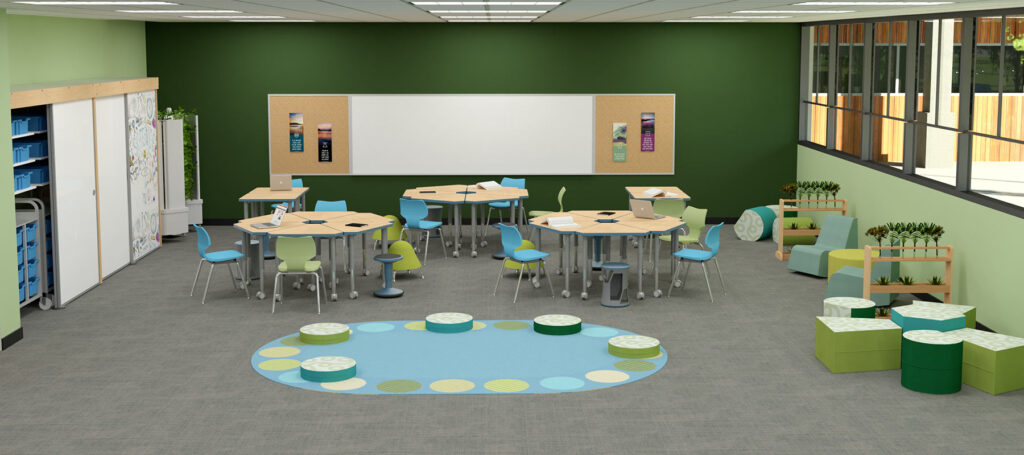
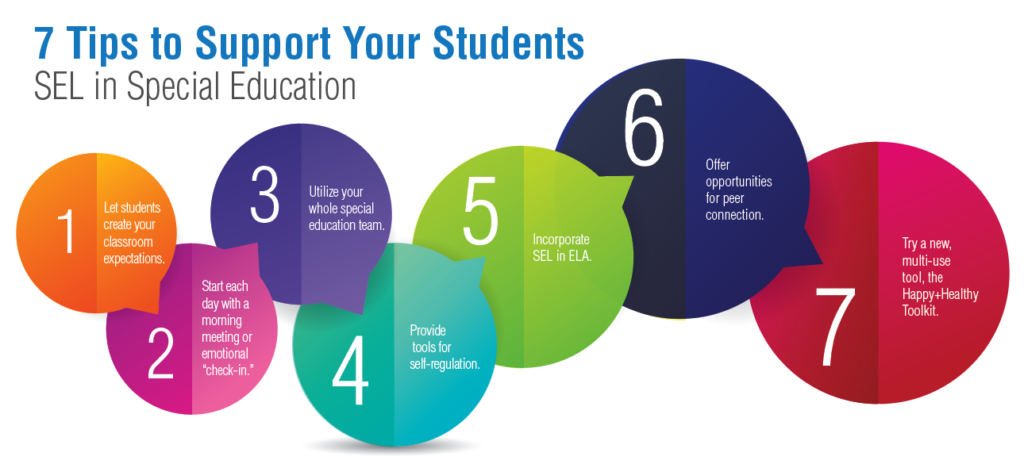
When people talk about SEL (Social Emotional Learning), it often sounds great in theory. However, it can look very different in real classrooms. This is especially true in special education classrooms.
In a SPED classroom serving students in grades 3–5, SEL looks different. Many students are reading and functioning closer to a second-grade level. Because of this, Social Emotional Learning isn’t a boxed curriculum or a once-a-week lesson.
Instead, it is built into everything: routines, language and visuals. As well as, how we respond when students struggle. So, what does SEL actually look like day-to-day? Let’s break it down.
SEL in SPED Is Concrete
Many traditional Social Emotional Learning programs rely on long discussions and written reflections.
For students with Specific Learning Disabilities (SLD), this can be overwhelming.
As a result, SEL teaching works best when it is:
- Visual
- Predictable
- Repeated daily
- Directly taught
👉 For SPED classrooms, this is where simple emotion charts make a huge difference.
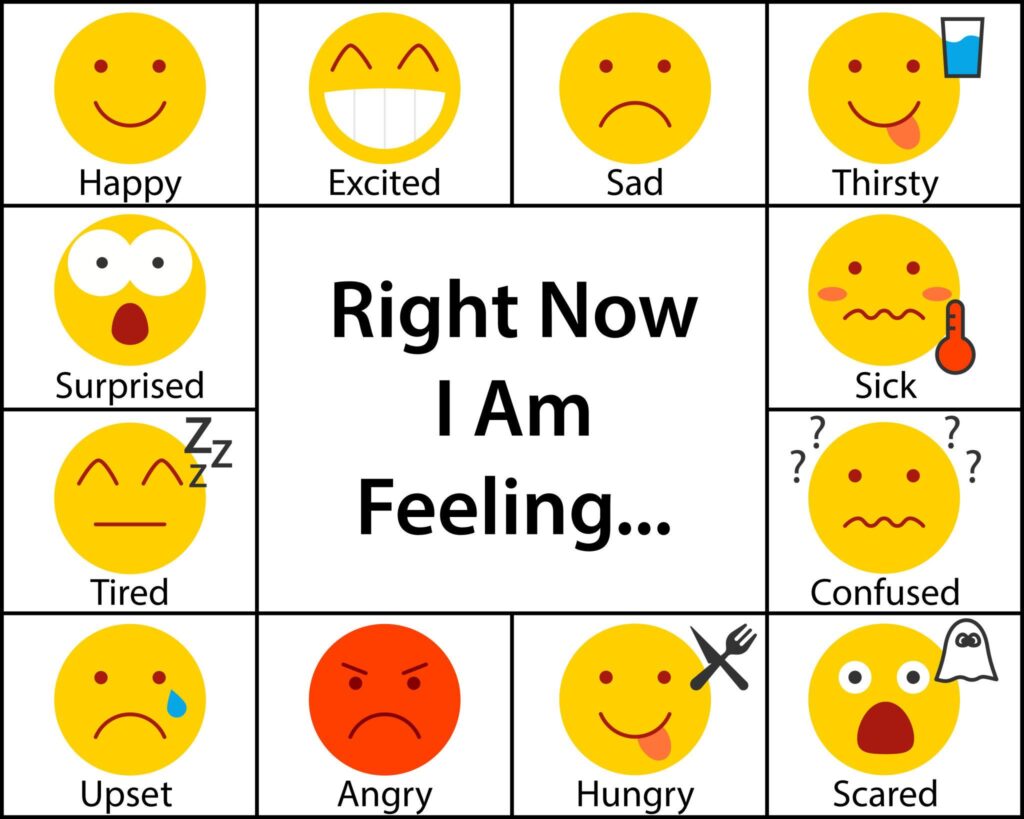
Instead of asking, “How did that make you feel?” and relying on a verbal response. SPED teachers use emotional visuals. Students can point to or reference the feeling they are having.
Visual Emotion Supports Are Essential
One import tool for SEL is emotion charts. Emotion charts help students identify feelings without having the language. They also support regulation before behavior escalates. Most importantly, they allow students to communicate needs safely.
For this reason, emotion charts are:
- Posted at eye level
- Used during check-ins
- Referenced during conflict resolution
Because of this, emotion charts are not viewed as a punishment. They are viewed as a tool.
Helpful Amazon Pick
- Laminated emotion charts with facial expressions
- Emotion cards with clear, realistic images
SEL Happens in Routines
Most importantly, Social Emotional Learning lessons need to show up as predictable routines in the classroom. These routines include Morning check-ins and calm transitions. Along with structured small groups.
For example, in my SPED classroom these routines look like:
- Students choosing an emotion during arrival
- Teachers modeling emotional language
- Calm-down strategies are practiced before problems happen
As a result, this consistency helps students feel safe. This is the foundation for learning.
SEL-Friendly Books Do the Heavy Lifting
The next important SEL tool in special education are books because they:
- Model emotions through characters
- Reduce pressure on students to self-disclose
- Support comprehension with context
Because of this, it is important to remember when choosing SEL books, look for:
- Short text
- Clear emotional themes
- Realistic situations
- Strong visuals
Helpful Amazon Picks
- Picture books about frustration, anxiety, and perseverance
- SEL books written at a K–2 reading level but appropriate in topic
Calm Corners Are Teaching Tools
Another common social emotional learning misconception is that calm corners are just “break spaces.” In contrast in a SPED classroom, calm down corners are:
- Explicitly taught to student
- Modeled by the teacher
- Practiced when students are calm
A calm down corner might include:
- A feelings chart
- A timer
- Simple breathing visuals
- One or two sensory tools
Ultimately, less is more.
Helpful Amazon Picks
- Visual breathing posters
- Sand timers (1–5 minutes)
- Minimal sensory tools (stress ball, textured strip)
SEL Supports Academics
Above all, one of the biggest shifts I’ve learned as a SPED teacher is this:
If a student can’t regulate, they can’t read, write, or problem-solve.
Most importantly, SEL isn’t something we “fit in after academics.” It is what makes academics possible.
Specifically, when students:
- Know how to ask for help
- Can identify frustration
- Feel emotionally safe
When students feel emotionally safe, academic engagement increases. This is true even when the work feels difficult.
Final Thoughts
SEL in a SPED classroom isn’t flashy. Social emotional learning is quiet, consistent and deeply intentional.
It looks like:
- Visual supports instead of lectures
- Books instead of worksheets
- Routines instead of reactions
As a result, when social emotional teaching is done well, it can change everything.
One Reply to “What SEL Looks Like in a SPED Classroom”