SEL in SPED classrooms works best when students are given tools they understand and trust. One of the most effective tools I use is a calm corner. Unfortunately, not all calm corners are created equal.
ℹ️ Affiliate Disclosure: This post may contain affiliate links. If you click and make a purchase, I may earn a small commission at no extra cost to you. I only share tools I genuinely use or recommend.
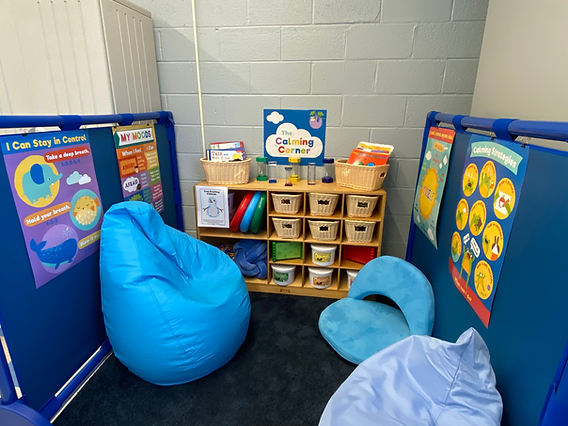
A calm corner should never feel like a time-out or a punishment. Instead, it should be a taught, supportive space that helps students regulate before emotions turn into behaviors.
For a SPED classroom, especially for grades 3–5, calm corners must be simple, predictable, and intentional.
What a Calm Corner Is (and What It Is Not)
A calm corner is a regulation tool, not a consequence.
It is:
- A space students are taught to use
- A support for emotional regulation
- A predictable routine students can rely on
It is not:
- A punishment
- A place students are sent when they “mess up”
- Overstimulating or cluttered
Because of this, setup matters more than decoration.
Step 1: Choose a Quiet, Low-Traffic Space
First, pick a location that feels calm by default.
Ideally, this location should:
- Be away from doors and high-traffic areas
- Allow students some visual privacy
- Still remain within teacher view
For this reason, even a small corner works well when expectations are clear.
Step 2: Keep the Visuals Simple and Purposeful
In SPED classrooms, less is more.
As a result, too many visuals can overwhelm students who are already dysregulated. Instead, focus on a few clear supports that students can easily understand.
Helpful visuals include:
- An emotion chart with clear facial expressions
- A simple breathing poster
- A short list of calm-down choices
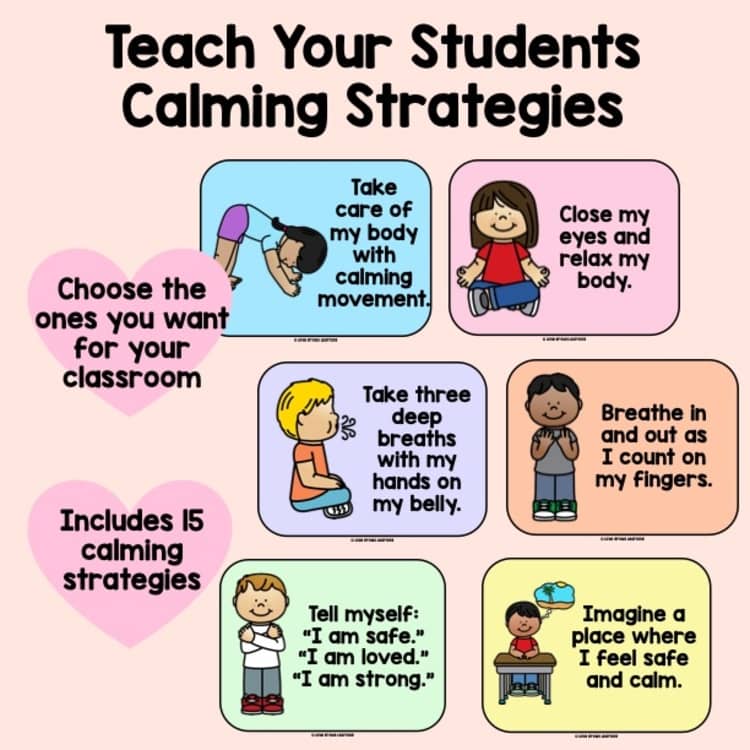
Step 3: Add a Visual Timer
A calm corner works best when students have access to a visual. This supports students in knowing how long they will be there.
Visual timers:
- Reduce anxiety
- Prevent avoidance behaviors
- Support independence
For this reason, I recommend using a 3–5 minute sand timer or a simple visual countdown.
Step 4: Limit Sensory Tools
It can be tempting to fill a calm corner with sensory toys. However, too many options can become distracting.
Instead, choose one or two tools, such as:
- A stress ball
- A textured strip
- A small weighted lap pad
These tools should be calming, not entertaining.
Step 5: Teach the Calm Corner Before Students Need It
This step is often skipped, but it is the most important.
Students must be taught:
- When to use the calm corner
- How to use the tools
- How to return to learning afterward
Practice during calm moments. Model the process. Role-play scenarios. As a result, students are more likely to use the space appropriately when emotions run high.
Why Calm Corners Support Learning
When students can regulate their emotions, they are more available for learning.
A well-used calm corner:
- Reduces power struggles
- Supports self-advocacy
- Builds emotional awareness
- Increases time on task
In turn, academic engagement improves, even for students who struggle most.
Final Thoughts
As a result, a calm corner does not need to be expensive or elaborate to be effective.
Ultimately, what matters most is:
- Clear expectations
- Consistent routines
- Tools that students understand
When used intentionally, calm corners become one of the most powerful SEL supports in a SPED classroom.
- What SEL Looks Like in a SPED Classroom (Grades 3–5)
- Visual Supports That Reduce Anxiety for SPED Students
- Morning Check-In Routines for Emotional Regulation